Join Ready
Guidance for first rehearsals, instruments, and learner-friendly entry points.
Resources & FAQ
This page brings the practical side of Bandon And District Brass & Reed Band Limited into one place: how to join, what to expect, how supporters can help, and which materials make rehearsals, performances, and outreach run smoothly.
Join Ready
Guidance for first rehearsals, instruments, and learner-friendly entry points.
Support Well
Practical ways families, volunteers, and local partners can reduce friction for the band.
Act Publicly
Materials for outreach, town appearances, and visible community music-making.
Use these core packs to help new players settle quickly, keep public events organised, and make community support more useful from day one.
What to bring, how sign-in works, where section leads can help, and how returning players can ease back in without pressure.
A clear overview of rehearsal etiquette, event-day roles, transport coordination, and the kind of help that genuinely lightens the load.
A practical checklist for pop-up appearances, parade staging, music stands, weather planning, and on-the-ground visibility.
These focused guides answer the most common operational questions before they become barriers.
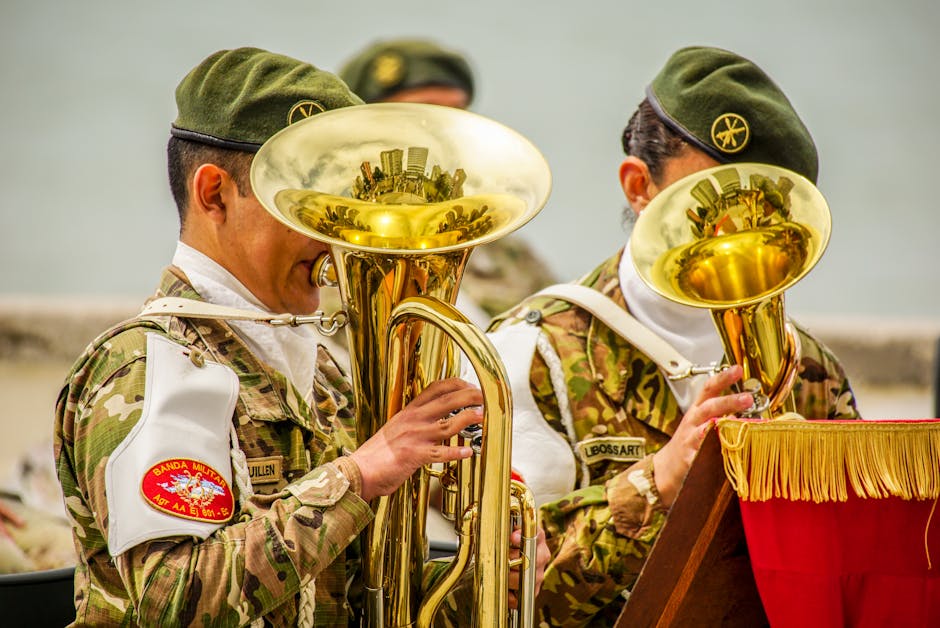
Players can begin with section support, shared parts, and paced rehearsal entry. The expectation is progress through participation, not perfection at the door.
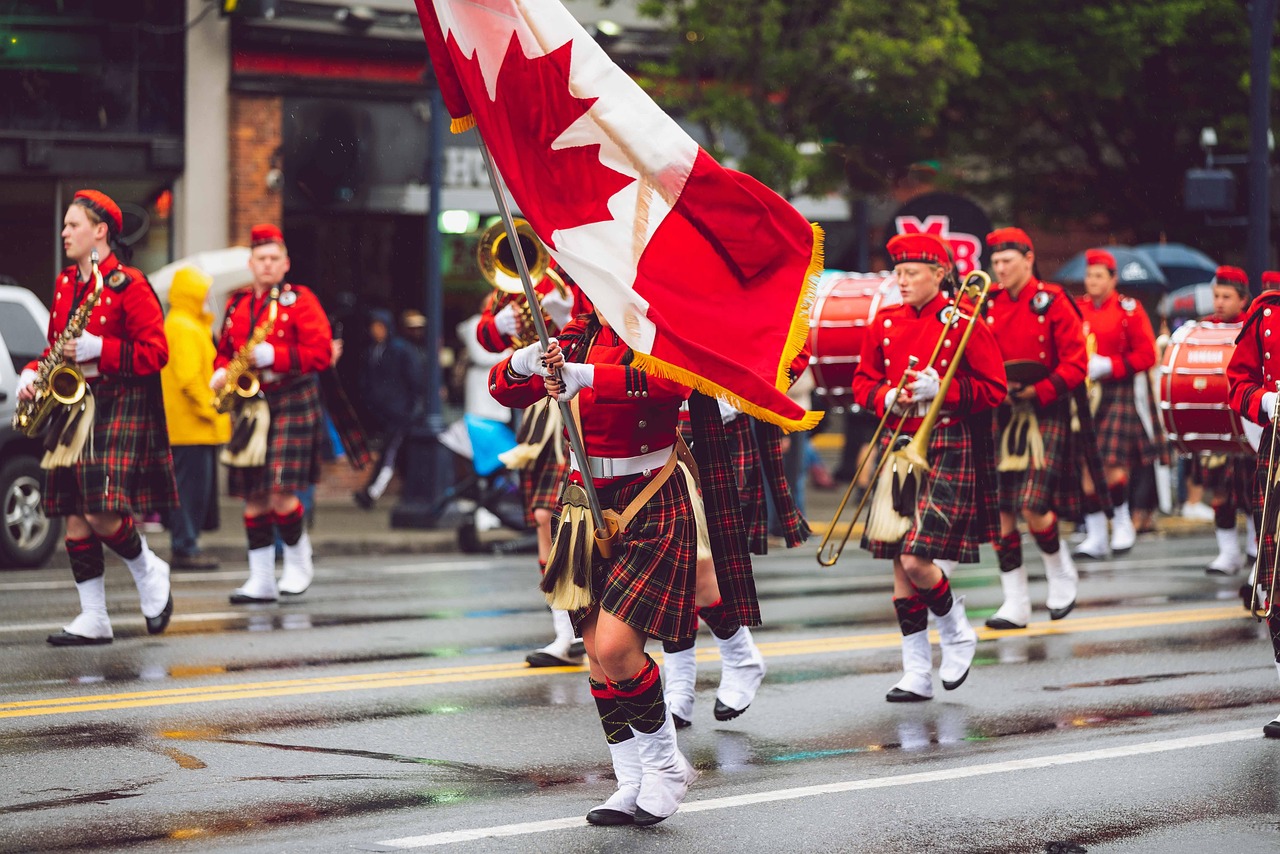
Front-of-house, stewarding, setup, refreshments, transport, and sign-up support all matter. Reliable practical help is part of how the band sustains public momentum.
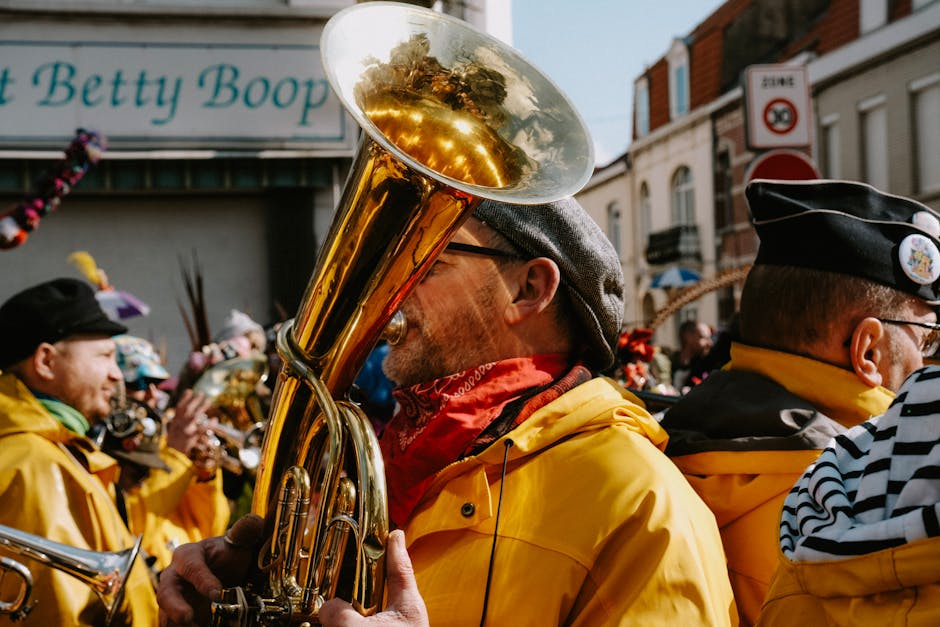
Arrive early, label equipment, carry clips and spare reeds where relevant, and expect flexible running order adjustments for weather, footfall, or section balance.

Useful support includes instrument access, print help, venue connections, rehearsal refreshments, transport backing, and visible promotion through existing local networks.
The band works best when expectations are straightforward. People join more confidently when they know what the room feels like, how support is offered, and what progress actually looks like.
Rehearsals are structured but welcoming. Newcomers are shown where to go, section leaders help with parts and pacing, and volunteers are given practical work rather than left waiting around. Public performances prioritise presence, consistency, and community connection as much as musical polish.



Direct answers for players, parents, volunteers, and supporters deciding how to get involved.
No. Prospective members should still get in touch. The band can advise on suitable sections, instrument access routes, and the best next step based on current capacity.
Complete beginners are welcome. The band supports staged entry, learner-friendly guidance, and clear signposting toward rehearsal formats that build confidence over time.
Returning players are a strong fit. Many people come back after long gaps, and section support makes it easier to regain stamina, embouchure, reading flow, and routine.
Non-playing support is essential. Event setup, communications, travel coordination, refreshments, sign-in help, and local promotion all make a measurable difference.
Expect a welcome at arrival, direction to the right section or support role, practical advice about materials and timing, and a realistic introduction to how the group operates.
Support is most valuable when it lowers access barriers: instruments, sheet music, venue costs, transport, uniforms, learner support, and the practical needs tied to public appearances.
Bandon is the core base, but the band’s community role extends across the district through partnerships, public events, outreach activity, and supporter networks.
Use the contact page, state whether you are a player, parent, volunteer, or supporter, and ask to be directed to the next rehearsal, public date, or practical support need.
The essentials people usually need before taking the next step.
Who
Beginners, experienced players, returners, volunteers, parents, and local supporters.
Where
Bandon as the main base, with district-wide community presence and outreach.
Why
To sustain visible local music culture, build confidence, and widen access.
How
Join a rehearsal, volunteer on an event, offer practical support, or fund access.
If this page answered the main questions, move directly into contact. The most useful message is a short one that states who you are and how you want to help.
Ask about the next rehearsal, your instrument or section, and what to bring on the first night.
Offer practical support for setup, stewarding, communications, transport, or event coordination.
Back instrument access, learner participation, local promotion, or the delivery of public performances.